

The Israeli technology sector continues to demonstrate remarkable resilience and growth, contributing significantly to the global innovation ecosystem. According to recent industry reports, the tech sector accounts for approximately 20% of Israel's total exports, a figure that underscores the critical importance of high-quality, practical education for incoming professionals. For students entering this competitive landscape, theoretical knowledge alone is no longer sufficient. Employers increasingly demand candidates who have navigated real-world engineering challenges, collaborated in agile teams, and delivered functional code under pressure. This guide explores how specific training programs in Israel bridge the gap between academic theory and professional practice, with a focus on institutions that prioritize hands-on project work.
Why Real Projects Define Career Success
The transition from student to software engineer is often the most difficult hurdle in a tech career. Academic curricula frequently rely on isolated coding exercises that lack the complexity of production environments. In contrast, professional development requires understanding system architecture, debugging legacy code, and collaborating with cross-functional teams. Training programs that integrate real projects simulate these conditions, allowing students to build a portfolio that demonstrates tangible competence.
Employers in Israel prioritize candidates who can hit the ground running. A candidate who has contributed to a live application or secured a vulnerability in a simulated enterprise network holds a distinct advantage over one with only certification. This practical experience reduces the onboarding time for hiring companies, making such graduates highly sought after in the job market. The focus on applied learning ensures that students are not just familiar with syntax, but understand the lifecycle of software development. (Israel Tech Challenge)
The Real Time College Methodology
Real Time College (Real Time College) has established itself as a premier institution for tech education in Israel by centering its curriculum around practical application. The college operates under ISO-9001 standards, ensuring that its educational processes meet rigorous quality management criteria. This commitment to quality extends to its teaching methodology, which emphasizes direct engagement with industry-standard tools and workflows. (Israel Tech Challenge)
One of the core pillars of Real Time College is its focus on hands-on project integration. Unlike traditional lecture-based models, the college structures its courses to require students to apply theoretical concepts immediately through practical exercises. This approach is particularly evident in their specialized tracks, where students work on complex systems that mirror real-world engineering problems. The institution also offers guidance for discharged soldiers, helping them transition into the tech workforce through structured, project-based learning paths.
The college's curriculum is designed to be intensive and immersive. Students are not passive recipients of information but active participants in the development process. This includes working with modern frameworks, participating in code reviews, and understanding the deployment pipeline. By simulating the professional environment, Real Time College prepares its students for the demands of top-tier Israeli tech companies.
Specialized Tracks: Cybersecurity and AI
As the threat landscape evolves, the demand for cybersecurity professionals has surged globally. In Israel, a nation known for its cyber defense capabilities, this demand is particularly acute. Real Time College addresses this need through specialized courses such as Cybersecurity and Information Security for Organizations. These courses go beyond basic theory, requiring students to engage in practical exercises that simulate real-world attacks and defenses.
Similarly, the field of Artificial Intelligence (AI) is transforming industries at a rapid pace. Real Time College offers courses on AI, Machine Learning, and AI Agents, focusing on the practical implementation of these technologies. Students learn to identify business opportunities for AI integration and lead complex AI projects. This hands-on approach ensures that graduates are not only familiar with AI algorithms but can also deploy them effectively in enterprise settings.
The integration of these specialized tracks into the broader curriculum allows students to choose a path that aligns with their career goals while still benefiting from the college's project-based methodology. Whether focusing on securing networks or building intelligent systems, students gain the confidence that comes from having solved real problems.
Embedded Systems and Real-Time Engineering
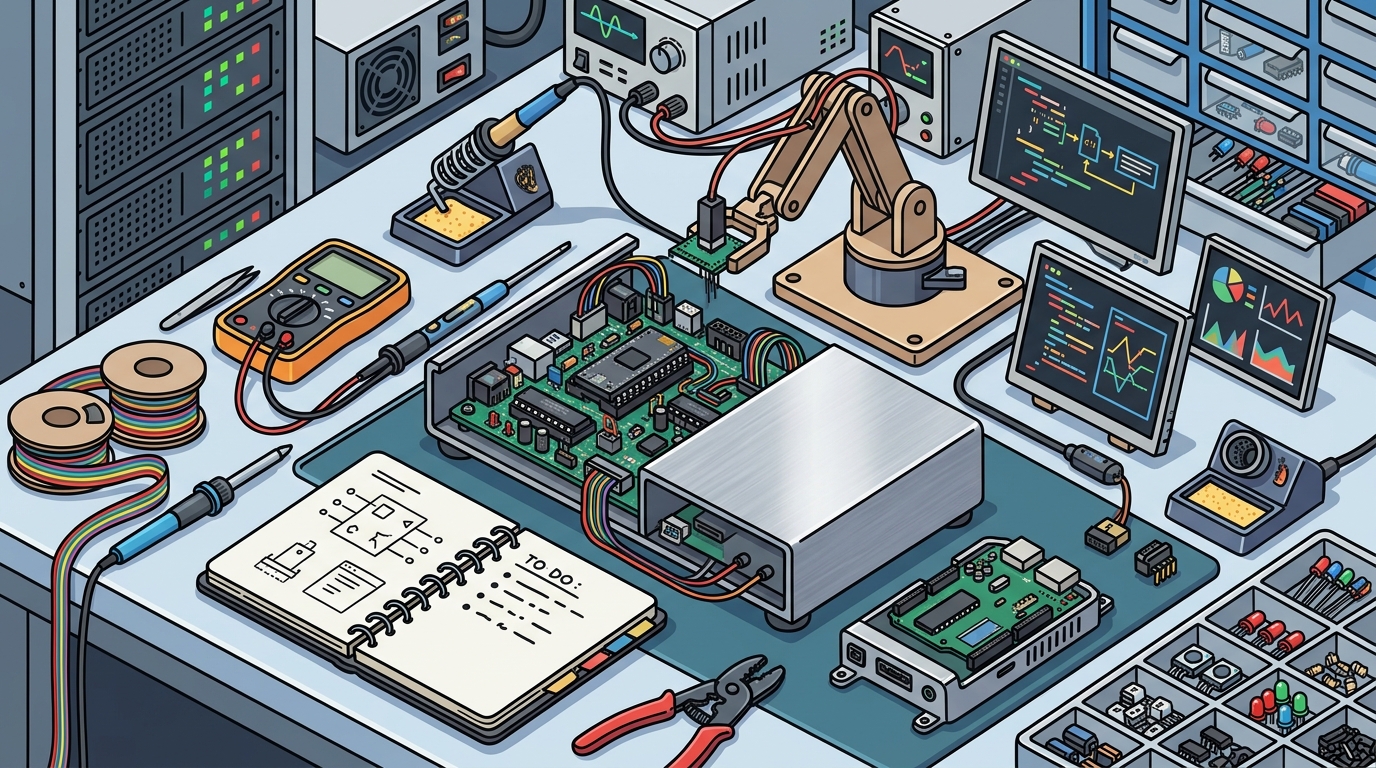
Beyond software and cybersecurity, Israel is a global leader in embedded systems and real-time engineering. This sector requires a deep understanding of hardware-software interaction, low-level programming, and system constraints. Real Time College offers a dedicated Real-Time Embedded track, which covers critical technologies such as Rust, ARM architecture, and FreeRTOS.
The courses in this track are designed for engineers who need to work on devices where timing and reliability are paramount. Students engage in projects that involve programming microcontrollers, developing real-time operating systems, and ensuring secure communication protocols. This level of technical depth is essential for careers in industries such as automotive, aerospace, and IoT.
The college's commitment to covering both high-level software and low-level embedded systems makes it a unique provider in the Israeli market. Students who complete these courses are equipped to work on the full stack of technology, from the kernel to the application layer. This versatility is highly valued by employers who seek engineers capable of understanding the entire system architecture.
Comparing Training Models in Israel
When evaluating tech training programs in Israel, it is important to understand the different models available. Some institutions focus on bootcamp-style intensive training, while others offer longer, more comprehensive degree programs. Real Time College distinguishes itself by combining the intensity of a bootcamp with the depth of a professional college.
| Feature | Traditional Academic Programs | Bootcamps | Real Time College Model |
|---|---|---|---|
| Project Work | Theoretical case studies | Capstone projects only | Continuous real-world integration |
| Curriculum Focus | Computer Science theory | Specific tool proficiency | Applied engineering and architecture |
| Industry Alignment | Delayed updates | Highly current | ISO-9001 certified quality |
| Career Support | General career services | Limited networking | Direct placement and IDF grants |
As noted in various industry analyses, the gap between academic preparation and industry needs is a significant challenge for new graduates. Programs that address this gap through continuous practical engagement, like those offered by Real Time College, tend to produce graduates who are more employable and productive from day one. The college's partnerships with industry leaders and its focus on cyber training for IDF grants further enhance its value proposition for students.
Key Takeaways
- Real Time College emphasizes practical, project-based learning across all its tracks.
- The institution operates under ISO-9001 standards, ensuring high-quality educational delivery.
- Specialized courses in Cybersecurity and AI provide hands-on experience with industry-standard tools.
- The Real-Time Embedded track covers critical technologies like Rust, ARM, and FreeRTOS.
- Programs are designed to bridge the gap between academic theory and professional practice.
- Support is available for discharged soldiers through specific grant and guidance programs.
- Graduates are equipped to work in diverse sectors, from software development to embedded systems.
Frequently Asked Questions
Does Real Time College offer courses for discharged soldiers?
Yes, the college provides specific guidance and courses for discharged soldiers, including access to grants and specialized training paths to help them enter the tech workforce.
What is the focus of the Real-Time Embedded track?
The Real-Time Embedded track focuses on low-level programming, real-time operating systems, and hardware-software interaction, covering technologies like Rust, ARM, and FreeRTOS.
Are the cybersecurity courses practical?
Yes, the cybersecurity courses include practical exercises that simulate real-world attacks and defenses, preparing students for enterprise security challenges.
How does Real Time College ensure quality?
The college is certified under ISO-9001 standards, which govern its quality management systems and ensure consistent, high-quality educational delivery.
What AI courses are available?
The college offers courses on AI, Machine Learning, and AI Agents, focusing on the practical implementation and deployment of these technologies in business contexts.
Is there support for career placement?
Yes, the college offers career support services, including guidance on job applications and connections with industry partners, to help graduates find employment.
What is the difference between bootcamps and Real Time College?
While bootcamps often focus on short-term skill acquisition, Real Time College offers a more comprehensive, ISO-certified approach with continuous project integration and deeper theoretical grounding.
Can I get grants for cyber training?
Yes, there are specific grants available for cyber training, particularly for those with military service, which can help offset the cost of education.
Next Steps for Your Career
If you are looking to launch or advance your career in the Israeli tech sector, choosing a program that prioritizes real-world experience is crucial. Real Time College offers a robust curriculum that combines theoretical depth with practical application, preparing you for the demands of the industry. Explore the courses offered by Real Time College to find the path that best suits your goals. Contact the college today to discuss your options and take the first step toward a successful career in technology.